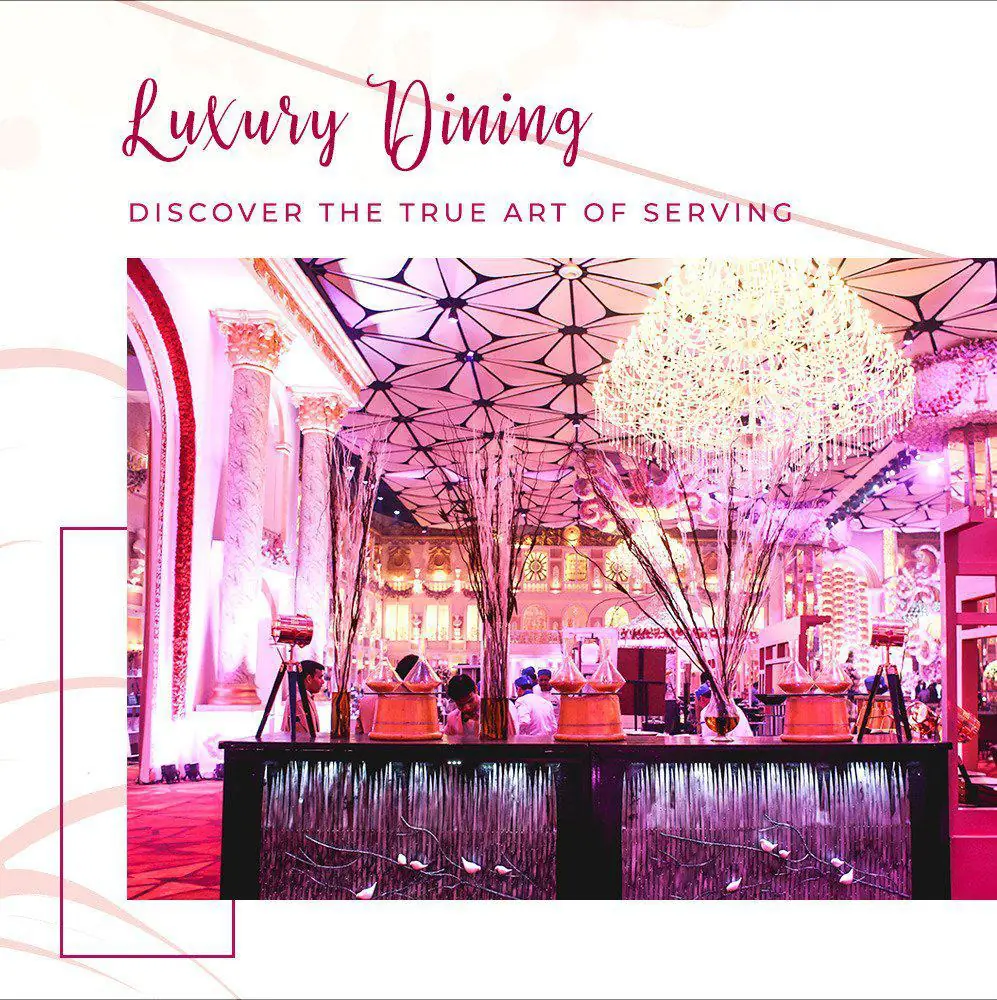
A brochure still works hard for service companies, real estate, clinics, schools and manufacturers, because customers can hold it, keep it and share it. A good brochure combines clear content, a clean layout and correct print files.
Decide the job of the brochure first
Is it for walk-in customers, trade shows, sales visits or a courier pack? The answer decides the size, the number of pages and how much detail you include.
Choose the right format
- Bi-fold: one sheet folded once, giving four panels. Good for a short company introduction.
- Tri-fold: one sheet folded twice, giving six panels. The most popular format for services and price lists.
- Multi-page: a stapled or bound booklet for catalogues, project portfolios and detailed company profiles.
- Single sheet or flyer: best for a single offer or event.
A simple structure that works
- Cover: your logo, a clear headline and one strong image.
- The problem and your solution: what customers need and how you solve it.
- Services or products, with short descriptions and benefits.
- Proof: numbers, client logos, a short testimonial or certifications.
- Call to action: phone, WhatsApp, website and address, with a QR code if useful.
Layout and typography
- Use a grid so text and images line up.
- Leave white space. A crowded page looks cheap and is hard to read.
- Use two fonts at most, with clear differences between headings and body text.
- Keep body text at 9 to 11 points for print.
- Use high-resolution photos and avoid stretching images.
Paper and finish
A common choice is 130 to 170 gsm art paper for inner pages, and a heavier stock for covers. Gloss makes photos pop, while matte feels premium and is easier to read under bright light. Ask your printer for a sample before a large run.
Print-ready file checklist
- Resolution of 300 DPI for all images.
- CMYK colour mode, not RGB, because printers use CMYK inks.
- 3 mm bleed on every side for artwork that touches the edge.
- Important text and logos kept at least 5 mm inside the trim line.
- Fonts converted to outlines or embedded, and the file saved as a high-quality PDF.
- Fold lines marked on a separate layer, not printed.
Proof before you print
Check spelling, phone numbers and addresses twice, and read the file aloud. Ask the printer for a digital or hard proof, because colours on screens differ from print.
Our brochure package includes two layout variations, bi-fold, tri-fold or multi-page options, 300 DPI CMYK print-ready files and a motion intro video.
Need a brochure that is ready to print?
Tell us about your business and our team will get back to you within one working day.
 Stationery Design
 Social Media Marketing
 Social Media Marketing